Resolve the basic facts with the customer, then escalate issues that require supplier access or a service-side decision. A useful escalation explains the affected account, symptom, timing and actions already taken without exposing unnecessary customer information.
Gather a concise account of the issue
Ask what the customer was trying to do and where it failed. Record the device, player and approximate time. Distinguish one account from a wider pattern. Several vague forwarded messages can be harder for the supplier to act on than one organised summary.
Respect role boundaries
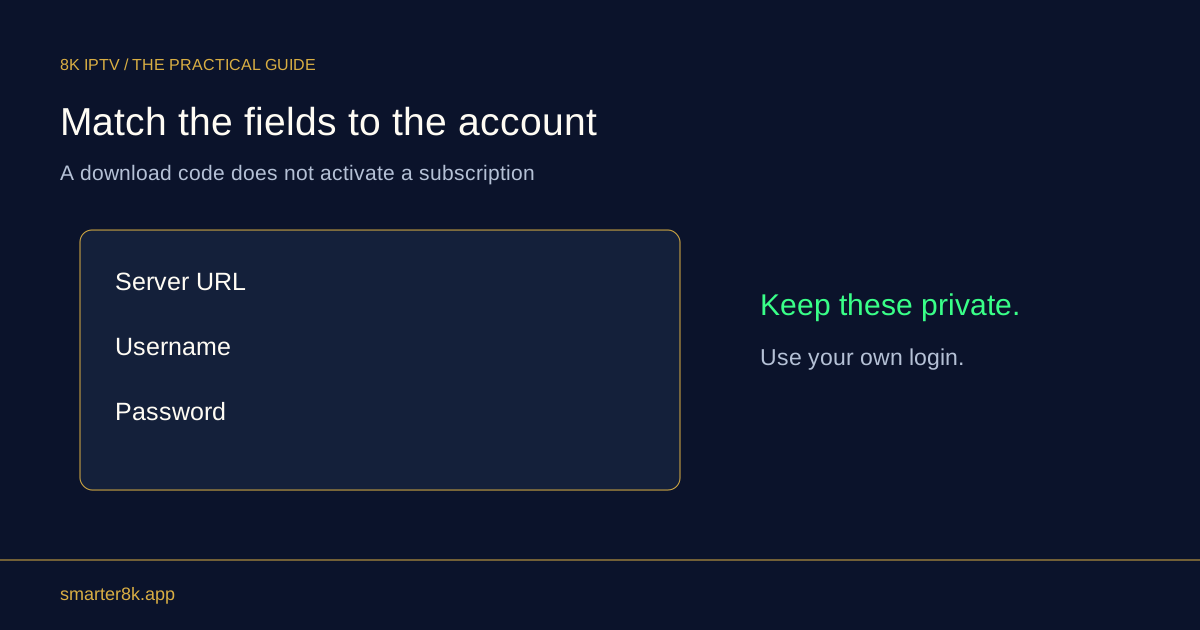
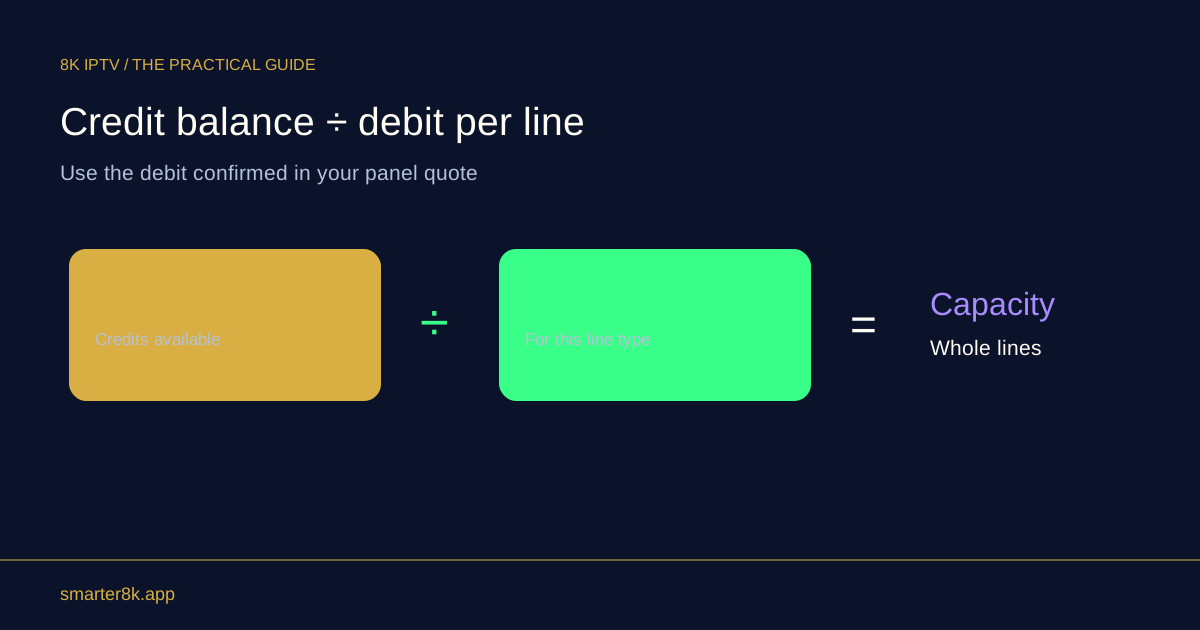
Do not invent a panel action or ask customers to change sensitive settings because it sounds plausible. If the issue concerns account validity, credit deductions or unavailable permissions, use the supplier’s support route. Be honest about what you can inspect yourself.
Track the response
Keep an escalation reference, status and next action. Tell the customer what has been established and what remains under review without promising a resolution time the supplier has not given. Record the outcome so the same problem is not repeatedly reopened without context.